
Expert Emergency Electrician
Done Fast & Properly.
Connect with vetted local experts who use advanced techniques to solve your emergency electrician issues at the root cause.
Get 3 Free Quotes
Briefly outline your job details below.
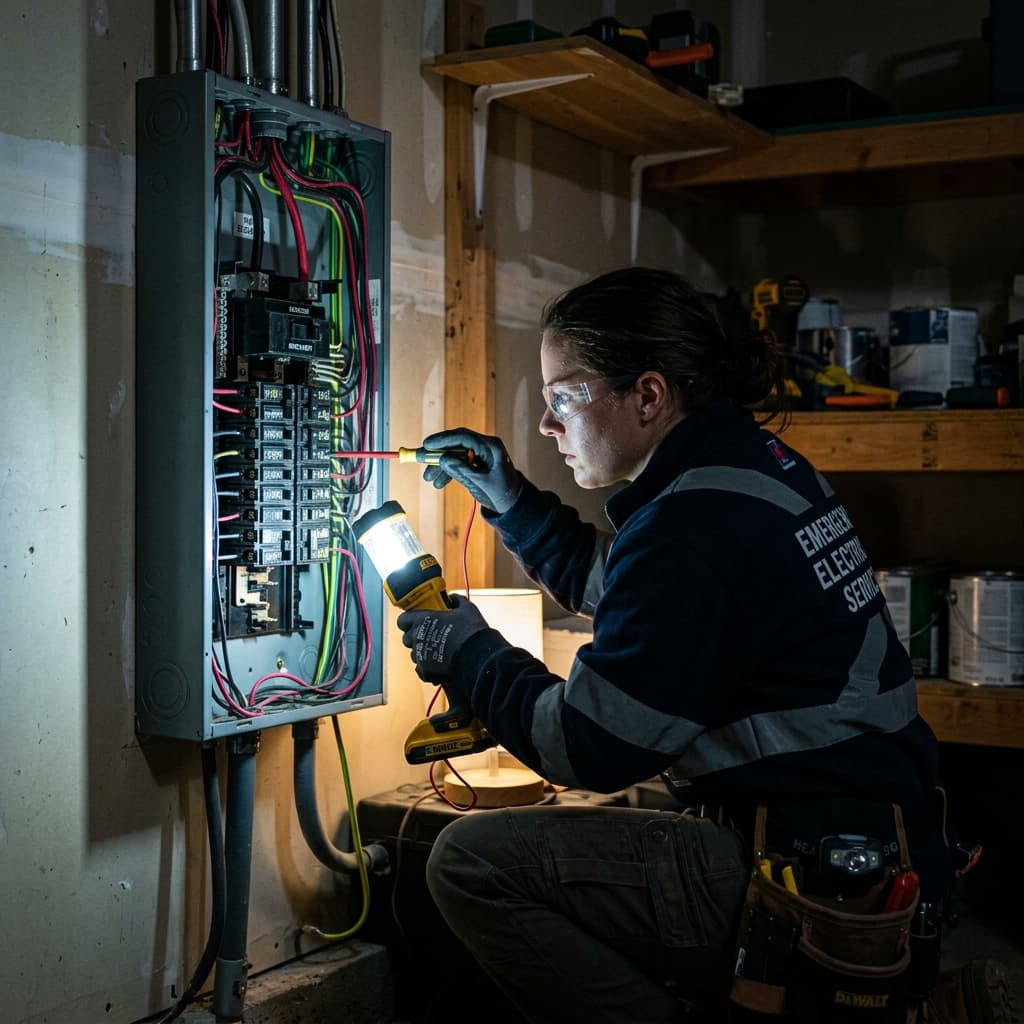
What Is an Electrical Emergency?
An electrical emergency is any issue that presents an immediate risk to people or property. In many cases, acting quickly can reduce the likelihood of injury, fire or costly repairs.
You may need an emergency electrician if you experience:
- A power outage affecting only your property
- Burning smells from switches, power points or the switchboard
- Sparks, smoke or scorch marks around electrical outlets
- Exposed or damaged wiring
- Frequently tripping circuit breakers or safety switches
- Water damage affecting electrical systems
- Storm damage to electrical equipment or wiring
If you're unsure whether a fault is an emergency, it's always safest to stop using the affected circuit and seek professional advice.
Common Reasons to Call an Emergency Electrician
Power outages
If your property has lost power but neighbouring homes or businesses still have electricity, the problem may lie within your electrical system. Faulty wiring, damaged circuits or a malfunctioning switchboard are all possible causes that require inspection by a licensed electrician.
Burning smells or smoke
A burning odour coming from electrical fittings often indicates overheating components or damaged wiring. These issues can quickly become fire hazards and should be assessed as soon as possible.
Exposed wiring
Electrical cables can become damaged through renovations, storms, ageing or accidental impact. Exposed wiring increases the risk of electric shock and should only be handled by a qualified electrician.
Repeatedly tripping safety switches
Safety switches are designed to disconnect power when they detect a fault. While an occasional trip isn't uncommon, repeated tripping usually indicates an underlying problem that needs professional investigation.
What Should You Do Before Help Arrives?
If you suspect an electrical emergency, your first priority should always be safety.
If it's safe to do so:
- Turn off power at the main switchboard.
- Stay away from damaged wiring or electrical equipment.
- Keep water away from electrical outlets and appliances.
- Unplug damaged appliances if they can be disconnected safely.
- Keep children, pets and others away from the affected area.
Never attempt to repair electrical wiring yourself. Electrical work should always be carried out by a licensed professional.
Can Electrical Emergencies Be Prevented?
Not every electrical fault can be avoided, but routine maintenance and early intervention can reduce the risk of unexpected emergencies.
Some simple preventative measures include:
- Having older wiring inspected periodically.
- Replacing damaged switches, outlets and power cords.
- Avoiding overloaded power boards.
- Testing safety switches regularly.
- Addressing flickering lights or unusual electrical behaviour before it worsens.
Many emergency call-outs result from issues that develop gradually over time.
What Does an Emergency Electrician Do?
Emergency electrical services cover a wide range of urgent repairs and fault finding.
Depending on the problem, an electrician may:
- Diagnose electrical faults
- Repair damaged wiring
- Restore power safely
- Replace faulty circuit breakers or safety switches
- Repair storm-related electrical damage
- Isolate dangerous electrical hazards
- Carry out temporary repairs until permanent work can be completed if required
Many emergency electricians also use specialised testing equipment to identify faults that aren't immediately visible.
Choosing the Right Emergency Electrician
Whether it's the middle of the day or after hours, it's important to engage a licensed electrician with experience handling emergency situations.
When comparing local electrical contractors, look for professionals who are appropriately licensed and insured, communicate clearly about the work required, and have experience with the type of fault you're experiencing.
Taking the time to compare a few options can help you find an electrician who meets your needs while ensuring the work is completed safely and in accordance with Australian standards.
Finding an Emergency Electrician
Electrical emergencies should never be ignored. Prompt attention can help reduce safety risks, minimise property damage and restore your electrical system as quickly as possible.
If you need an emergency electrician, Belong connects homeowners and businesses with vetted local electricians, making it easy to compare quotes from trusted professionals. You can also explore our Electrical Hub, browse related electrical services, or read our cost guides and practical how-to articles to learn more about maintaining a safe electrical system.
What a Emergency Electrician Tradie Will Do
- Diagnose immediate electrical faults safely
- Isolate dangerous hazards and exposed wiring
- Replace faulty circuit breakers or safety switches
- Perform temporary or permanent urgent repairs
- Restore safe power to the property
Typical Cost
Estimated Range
From $150 minimum call-out; rates increase for after-hours work
This is a rough estimate. Your actual cost will depend on the size of the job, materials chosen, and your property's specific needs.
View full cost guide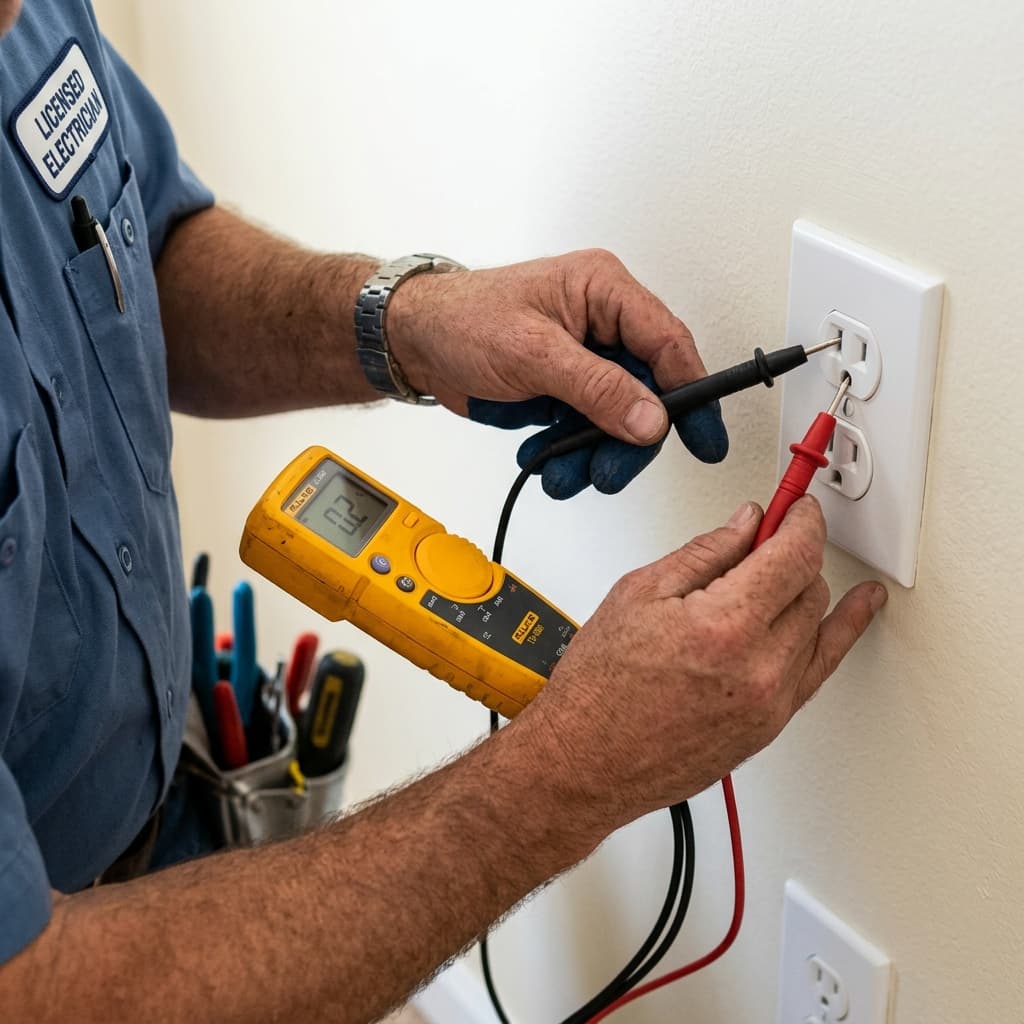
Customer Reviews
“Called them at 10pm when our switchboard started sparking. They arrived quickly and made everything safe.”
“Our power kept tripping all weekend. The electrician found a faulty appliance and fixed the issue on the spot.”
“Very professional and responsive. Arrived within the hour and sorted out our lighting issue safely.”
Frequently Asked Questions
Related Articles
Learn more about emergency electrician and how to maintain your home.
Electrical Safety Tips for Older Homes
Key warning signs that your property's electrical system is outdated or posing a hazard.
How to Prepare for a House Rewiring Project
A practical guide outlining what to expect and how to plan for a complete electrical upgrade.
Why Do My Circuit Breakers Keep Tripping?
Understand the common causes of circuit overload and when you need a professional inspection.