
Expert Plastering
Done Fast & Properly.
Connect with vetted local experts who use advanced techniques to solve your plastering issues at the root cause.
Get 3 Free Quotes
Briefly outline your job details below.

What Is Plastering?
Plastering is the process of creating or restoring smooth wall and ceiling surfaces using plaster or plasterboard products.
Professional plasterers work on both new construction and existing homes, completing projects such as:
- Installing plasterboard
- Repairing damaged walls
- Ceiling repairs
- Patching cracks and holes
- Cornice installation
- Joint setting and finishing
- Surface preparation before painting
The goal is to produce a strong, even surface that's ready for its final finish.
When Might You Need Plastering?
Plastering isn't only required during renovations or new builds. Many homeowners need plastering work to repair damage caused by everyday wear, water leaks or structural movement.
Common reasons include:
- Cracked walls or ceilings
- Holes left after electrical or plumbing work
- Water-damaged plaster
- Sagging ceilings
- Renovations or room extensions
- Replacing damaged plasterboard
Addressing these issues early can help prevent further deterioration and prepare surfaces for repainting.
Common Types of Plastering Work
Plaster repair
Small cracks, dents and holes can often be repaired without replacing entire walls. A plaster repair restores the damaged area before it's sanded smooth and prepared for painting.
Gyprock and plastering
Gyprock and plastering are commonly used together during renovations and new construction. After plasterboard sheets are installed, joints are taped, filled and sanded to create a seamless finish.
Ceiling repair
Ceilings can develop cracks, sagging sections or water damage over time. Ceiling repair may involve replacing damaged plasterboard, repairing joints or restoring decorative features depending on the extent of the damage.
Why Surface Preparation Matters
One of the most important parts of plastering is preparing the surface correctly.
Before plaster is applied or repairs are completed, a professional may:
- Remove loose or damaged material
- Repair underlying structural issues where necessary
- Reinforce joints
- Apply fillers or compounds
- Sand surfaces smooth
- Check for an even finish before painting
Careful preparation helps create a stronger repair and a more professional-looking result.
Can You Repair Plaster Yourself?
Minor dents or nail holes are often suitable for DIY repairs using patching compounds.
However, larger cracks, water damage, sagging ceilings or damaged plasterboard usually require professional attention. Improper repairs may remain visible after painting or develop further over time.
Experienced plasterers have the tools and techniques needed to create smooth, durable finishes that blend with the surrounding surface.
What Can Affect Plastering Costs?
The cost of plastering varies depending on several factors, including:
- The size of the repair or installation
- The condition of the existing surface
- The type of plasterboard or materials required
- Ceiling height and accessibility
- Whether painting will follow the plastering work
Obtaining several quotes can help you compare pricing and understand what is included before work begins.
Finding the Right Plasterer
Whether you're repairing damaged walls, replacing plasterboard or preparing a home for painting, choosing an experienced plasterer can help ensure a smooth, long-lasting finish.
Belong connects homeowners and businesses with vetted local plasterers, making it easy to compare quotes for plastering and related repair services. You can also explore our Painting & Plastering Hub, browse related services, or read our cost guides and practical how-to articles to learn more about maintaining your home's walls and ceilings.
What a Plastering Tradie Will Do
- Install and secure new plasterboard sheets to walls and ceilings
- Tape, fill, and sand joints to create a seamless surface
- Repair cracks, dents, or holes caused by wear or structural movement
- Install and finish decorative cornices
- Prepare and sand all surfaces so they are completely ready for painting
Typical Cost
Estimated Range
From $40 to $60 per hour, or $30 to $60 per square metre
This is a rough estimate. Your actual cost will depend on the size of the job, materials chosen, and your property's specific needs.
View full cost guide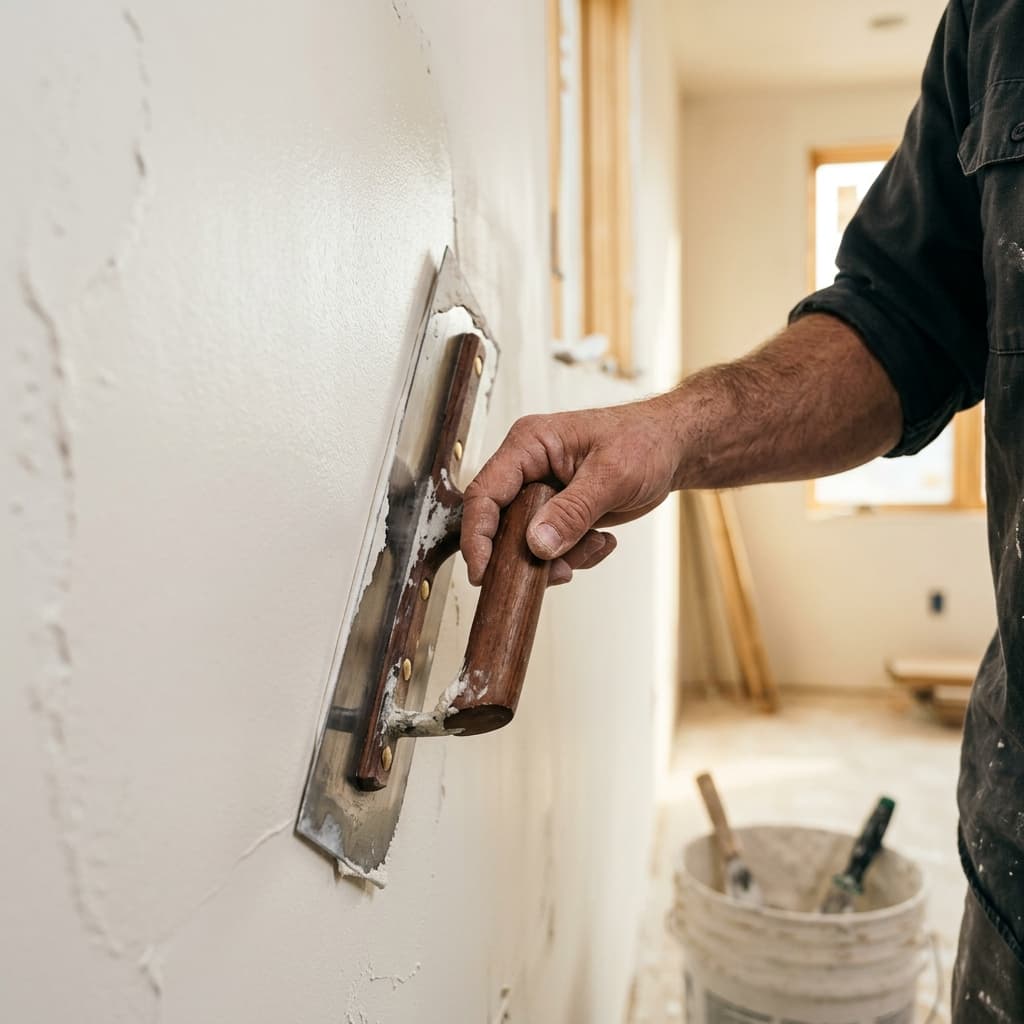
Customer Reviews
“The plasterer was extremely skilled. He patched a massive hole in our ceiling and now you can't even tell it was there.”
“Quick, efficient, and very tidy. Left the walls perfectly smooth and ready for me to paint.”
“Great work on the new extension. The cornices look fantastic and the joints are seamless.”
Frequently Asked Questions
Related Articles
Learn more about plastering and how to maintain your home.
5 Things to Check Before Hiring a Plastering Expert
Avoid common hiring mistakes and ensure your project is completed properly from day one.
Common Home Maintenance Mistakes to Avoid
Simple, highly effective tasks that protect your property value and prevent costly structural issues.
How to Budget and Compare Quotes Accurately
A practical walkthrough on interpreting trades quotes, labor rates, and project scopes.