
Expert Rendering
Done Fast & Properly.
Connect with vetted local experts who use advanced techniques to solve your rendering issues at the root cause.
Get 3 Free Quotes
Briefly outline your job details below.
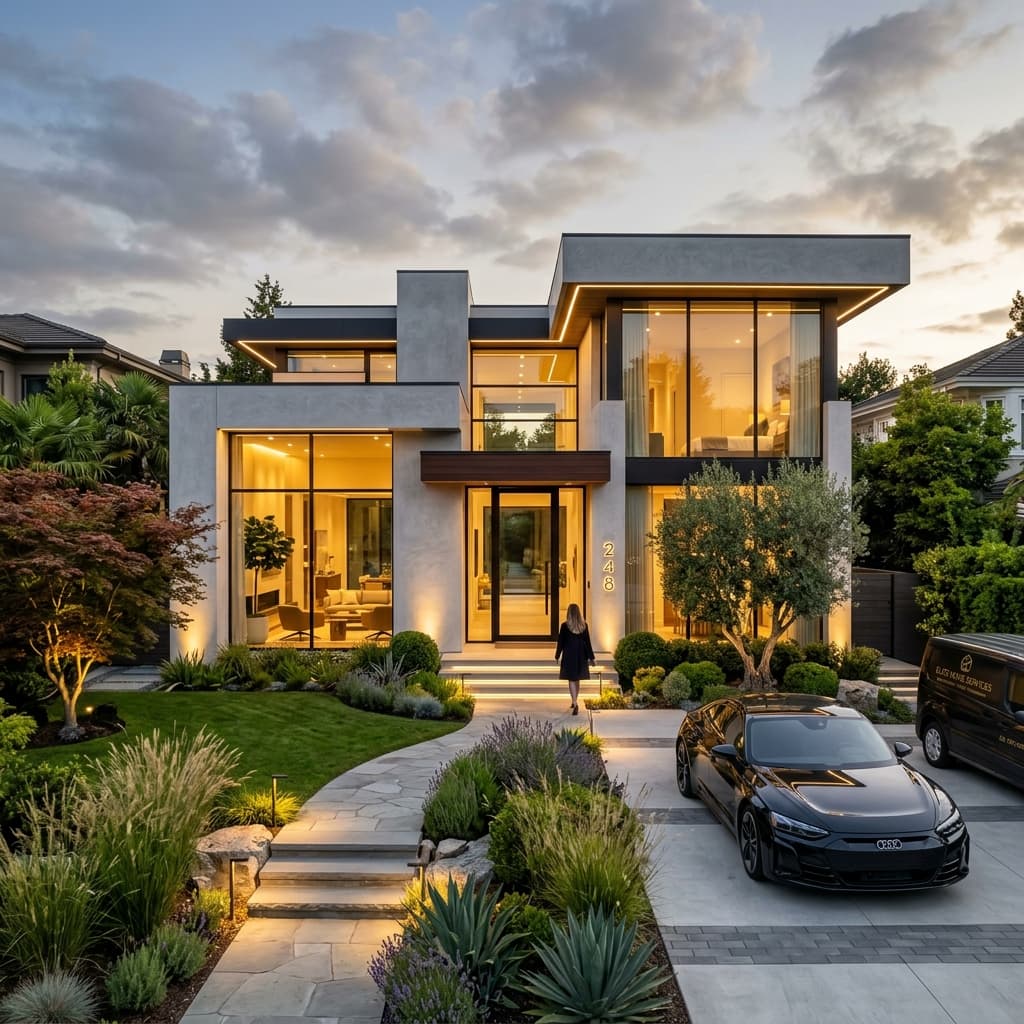
What Is Rendering?
Rendering is the process of applying a specialised coating to exterior walls to create a smooth or textured finish. It can be applied to a range of surfaces, including brick, concrete and masonry, to improve appearance and help protect the underlying structure from weather exposure.
Once cured, many rendered surfaces can be painted to achieve the desired colour and finish, making render and paint a common combination for homeowners looking to refresh their property's exterior.
Why Do Homeowners Render a House?
Rendering is often chosen for both practical and aesthetic reasons.
Some of the main benefits include:
- Refreshing the appearance of older homes
- Creating a modern, uniform finish
- Helping protect exterior walls from weather exposure
- Covering minor surface imperfections
- Increasing street appeal
- Preparing surfaces for exterior painting
For many homeowners, rendering offers an effective way to modernise the look of a property without altering its structural design.
Common Types of Render
Different properties and wall materials may require different rendering systems.
Cement render
Cement render is one of the most widely used options. Made from a mixture of cement, sand and lime, it provides a durable finish suitable for many masonry surfaces. It can be left with a textured appearance or painted after curing.
Acrylic render
Acrylic render contains polymers that improve flexibility and adhesion. It can often be applied to a wider range of surfaces than traditional cement render and may be less prone to cracking as buildings naturally expand and contract.
A professional renderer can recommend the most appropriate system based on your property's construction and the desired finish.
Can Brick Walls Be Rendered?
Brick rendering is a common way to transform the appearance of older homes.
Before rendering begins, the existing brickwork is carefully inspected and prepared. Any loose material, cracks or damaged sections are repaired to provide a sound surface for the new render.
Proper preparation is essential to achieve a durable, even finish.
What Does the Rendering Process Involve?
While every project is different, rendering generally follows a similar process:
- Inspecting the condition of the walls
- Cleaning and preparing the surface
- Repairing cracks or damaged areas where necessary
- Applying one or more coats of render
- Allowing the render to cure
- Painting the rendered surface if required
The exact process will depend on the type of render being used and the condition of the existing walls.
What Can Affect Rendering Costs?
The cost of rendering depends on a range of factors, including:
- The size of the property
- The type of render selected
- The condition of the existing walls
- The complexity of the project
- Accessibility
- Whether painting is included after rendering
Obtaining several quotes can help you compare pricing and understand what is included before work begins.
Maintaining Rendered Walls
Rendered surfaces require relatively little maintenance, but regular care can help keep them looking their best.
Homeowners can help maintain rendered walls by:
- Washing away dirt and grime periodically
- Inspecting for cracks or damage
- Repairing small defects promptly
- Keeping gutters and downpipes functioning properly to prevent water damage
- Repainting rendered surfaces when coatings begin to fade or deteriorate
Routine maintenance can help extend the life of both the render and the paint finish.
Finding the Right Rendering Professional
Whether you're planning to render a new home or update an older property, working with an experienced rendering professional can help ensure a durable, high-quality finish.
Belong connects homeowners and businesses with vetted local rendering professionals, making it easy to compare quotes for house rendering and related painting and plastering services. You can also explore our Painting & Plastering Hub, browse related services, or read our cost guides and practical how-to articles to learn more about improving and maintaining your home's exterior.
What a Rendering Tradie Will Do
- Inspect and prepare exterior walls by cleaning and repairing damaged sections
- Mix and apply cement or acrylic render for a smooth, protective coating
- Render over existing brickwork to modernise a property's appearance
- Finish the rendered surface with a textured or smooth appearance
- Prepare and paint rendered walls once fully cured
Typical Cost
Estimated Range
From $30 to $80 per square metre. A full house render typically falls between $8,000 and $25,000.
This is a rough estimate. Your actual cost will depend on the size of the job, materials chosen, and your property's specific needs.
View full cost guide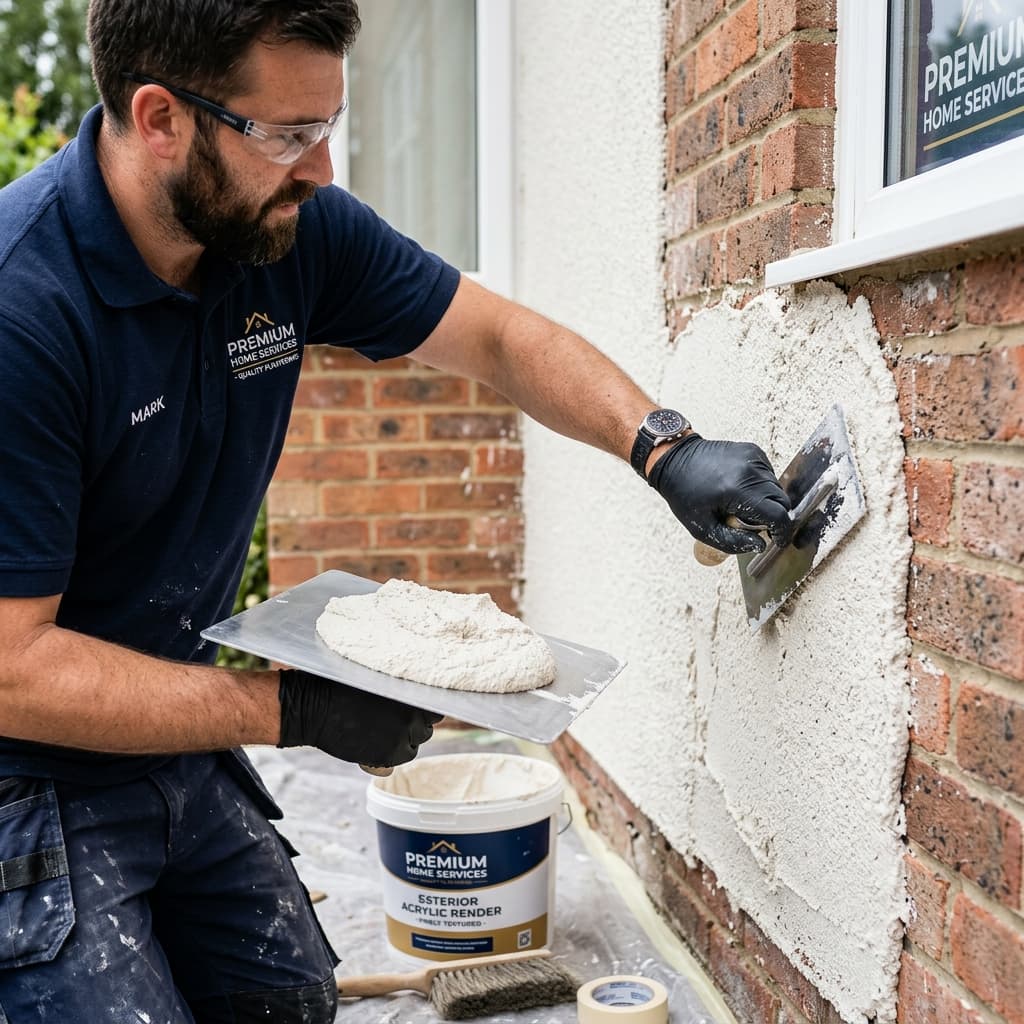
Customer Reviews
“Our old red brick house looks like a brand new property now. The team was fantastic and the finish is perfect.”
“Great advice on using acrylic render for our home. The process was clearly explained and the result is outstanding.”
“Very professional renderers who cleaned up well after the job. It completely changed the look of our front facade.”
Frequently Asked Questions
Related Articles
Learn more about rendering and how to maintain your home.
5 Things to Check Before Hiring a Rendering Expert
Avoid common hiring mistakes and ensure your project is completed properly from day one.
Common Home Maintenance Mistakes to Avoid
Simple, highly effective tasks that protect your property value and prevent costly structural issues.
How to Budget and Compare Quotes Accurately
A practical walkthrough on interpreting trades quotes, labor rates, and project scopes.